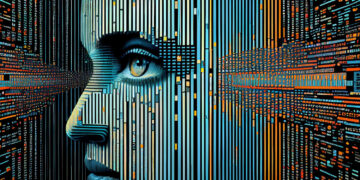
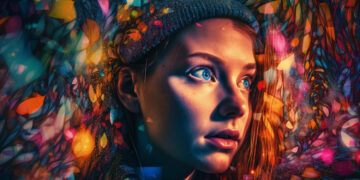
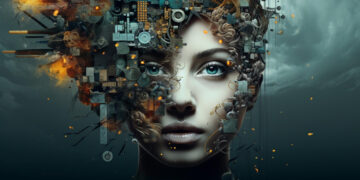



As a lover of traditional art forms, I was initially skeptical of the idea of novel AI art. However, as I delved into the world of AI-generated art, I was pleasantly surprised by the creativity and innovation that AI can bring to the art world. Novel AI art is the future of creativity, and it is here to stay. In this article, we will explore the world of AI art, its advantages and disadvantages, styles and techniques, and how to create it for free. We will also discuss the impact of novel AI art on traditional art forms and the future implications of this new art form.
Also read: The Ethics of Novel AI: Balancing Innovation with Responsibility.
Understanding AI-Generated Art
AI-generated art refers to art created with the help of artificial intelligence. AI algorithms can create art by mimicking the way the human brain works. By analyzing large amounts of data, AI algorithms can learn patterns and generate new art based on those patterns.
There are different types of AI-generated art. Some types of AI-generated art involve using algorithms to manipulate existing images or videos, while others involve creating entirely new art from scratch. AI-generated art can be created using various techniques, including machine learning, neural networks, and generative adversarial networks (GANs).
Also read: The Magic of Pokemon AI Generator: Creating Your Own Virtual Pokemon World.
Advantages and Disadvantages of Novel AI Art
One of the advantages of AI art is that it can create new and unique art styles that were previously impossible with traditional art forms. AI-generated art can be highly abstract, surreal, or even hyper-realistic. It can also create art that is interactive and dynamic, responding to the viewer’s actions or environment.
Another advantage of novel AI art is that it can create art at a much faster pace than traditional art forms. AI algorithms can generate art in seconds or minutes, whereas a traditional artist may take hours, days, or even weeks to create a single piece. This speed can be especially useful for creating large-scale installations or for creating art for time-sensitive events.
However, there are also some disadvantages to novel AI art. One of the main criticisms of AI-generated art is that it lacks the emotional depth and personal touch of traditional art forms. AI algorithms are programmed to create art based on patterns and data, but they cannot capture the human experience or emotions that are often conveyed in traditional art forms.
Novel AI Art Styles and Techniques
There are various styles and techniques that can be used in creating AI art. One popular style is generative art, which involves creating art by using algorithms to generate random patterns or shapes. Another technique is deepdream art, which involves using deep neural networks to create surreal and abstract images.
One of the most exciting areas of novel AI art is the use of GANs. GANs involve training two neural networks: one to generate images and another to evaluate those images. The two networks are pitted against each other, with the generator trying to create images that are indistinguishable from real images, and the evaluator trying to identify which images are real and which are generated. This process can create highly realistic images that are difficult to distinguish from photographs.
How to Create Novel AI Art for Free
Creating novel AI art doesn’t have to be expensive. There are various free tools and software available for creating AI-generated art. One popular tool is RunwayML, which allows users to create AI-generated art using pre-trained models or by training their own models. Another tool is DeepArt.io, which allows users to upload an image and transform it into a work of art using AI algorithms.
To create AI-generated art for free, you can also use online tutorials and resources. There are various YouTube channels and websites that provide step-by-step guides on how to create different types of AI-generated art. By following these tutorials, you can learn how to create your own unique art pieces.
Using Novel AI Art Prompts for Inspiration
One of the challenges of creating AI-generated art is coming up with ideas and inspiration. However, there are various AI art prompts and generators available that can help spark your creativity. One popular AI art prompt generator is ArtBreeder, which allows users to combine different art styles and techniques to create unique images. Another tool is DALL-E, an AI model that can generate images from textual descriptions.
By using AI art prompts and generators, you can explore new art styles and techniques and create unique pieces that you may not have thought of otherwise.
Examples of Successful Novel AI Art Projects
There are various successful novel AI art projects that have gained attention in recent years. One example is the AI-generated artwork by artist Mario Klingemann. Klingemann uses GANs to create highly realistic portraits and abstract art pieces. Another example is the AI-generated artwork by artist Robbie Barrat, who uses machine learning to create abstract landscapes and portraits.
AI-generated art has also been used in commercial applications, such as in the fashion industry. For example, designer Anouk Wipprecht has created AI-generated designs for dresses and other fashion items.
The Impact of Novel AI Art on Traditional Art Forms
The rise of novel AI art has raised questions about its impact on traditional art forms. Some argue that AI-generated art is a threat to traditional art forms, as it can create art at a much faster pace and with less effort. Others argue that AI-generated art is simply a new form of art that can coexist with traditional art forms.
However, it is important to note that AI-generated art cannot replace the human experience and emotion that is often conveyed in traditional art forms. Traditional art forms such as painting, sculpture, and photography will always have a unique place in the art world.
Future Implications of Novel AI Art
As AI technology continues to develop, the possibilities for novel AI art are endless. AI-generated art could potentially be used in various applications, such as in virtual reality environments, video games, and even in medical imaging. AI-generated art could also be used to create new forms of storytelling and narrative experiences.
However, as with any new technology, there are also potential risks and ethical concerns. For example, there are concerns about bias and discrimination in AI-generated art, as well as concerns about intellectual property and ownership.
Conclusion
In conclusion, novel AI art is the future of creativity, and it has the potential to revolutionize the art world. While there are advantages and disadvantages to AI-generated art, it is important to view it as a new form of art that can coexist with traditional art forms.
By embracing novel AI art, we can explore new art styles and techniques and push the boundaries of what is possible in the art world. Whether you are a traditional artist or an AI artist, there is something to be gained by exploring the world of novel AI art.



